
Should Ghostwriters Receive Credit In Celebrity Books? A U.S. Perspective
Celebrity books are big business in the United States. Memoirs from athletes, entrepreneurs, political figures, reality stars. Leadership books from CEOs who barely have time to finish a sentence, let alone draft 80,000 words.
And behind many of them? A professional writer whose name may or may not appear anywhere.
The publishing world has always known the secret: many celebrity books are collaborative. What has changed is public awareness. This isn’t just an internet morality discussion. It’s a commercial, legal, branding, and reputational issue that affects publishers, publicists, and yes, search behavior.
That’s where the real debate begins: Should Ghostwriters Receive Credit in Celebrity Books?
Readers are asking sharper questions now. Queries like “should ghostwriters receive credit”, “Do ghostwriters ever get credit for their work”, and “Should ghost writing be credited as author” consistently show intent rooted in transparency and trust.
As someone who’s worked on campaigns, publishing funnels, and content strategies, I can tell you this: the credit question is no longer background noise. It’s strategic. Let’s unpack it properly.
Understanding The Debate – Should Ghostwriters Receive Credit In Celebrity Books?
The question should ghostwriters receive credit is really about alignment between perception and reality. For decades, ghostwriting operated quietly. It was understood within publishing circles but rarely discussed publicly. Now, audiences know better. Social media, interviews, and industry podcasts have made collaboration visible.
That’s why “do ghostwriters get credit” and “Does a ghostwriter get credit” continue appearing in search data. Readers are trying to understand how the system works.
When readers wonder, “Do ghostwriters ever get credit for their work,” they’re really trying to figure out if the publishing world plays by the rules or keeps secrets. At the core, it’s always about three things: money, legal strings, and credibility. Each influences whether should ghostwriters receive credit becomes standard practice or remains situational.
How Celebrity Books Are Actually Written In The United States
Before evaluating whether should ghostwriters receive credit, we need clarity on how these books come to life.
The Role of Ghostwriters in Celebrity Publishing
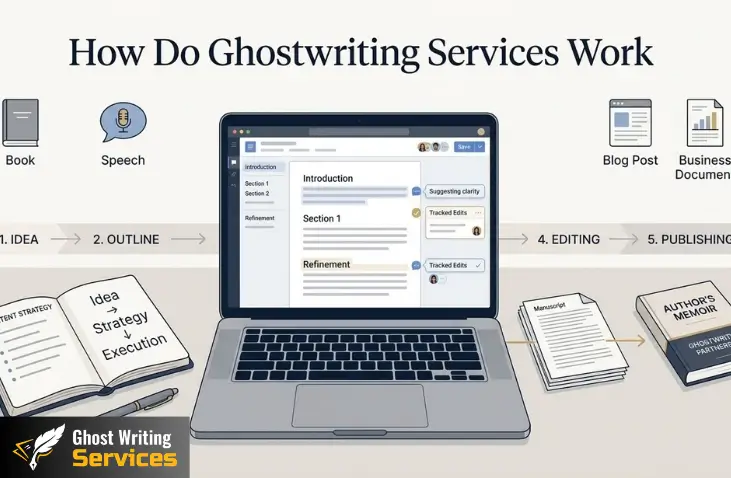
A professional ghostwriter is not simply polishing grammar. In many cases, they are structuring the entire narrative. They conduct interviews, outline chapters, develop emotional pacing, refine tone, and ensure the manuscript aligns with market expectations. The celebrity provides insight, life experience, and brand positioning, while the ghostwriter transforms that material into a compelling, readable book. Understanding how do ghostwriting services work can help readers see why this collaboration is so important in celebrity publishing. When readers ask, “Does a ghostwriter get credit,” they’re often unaware of the depth of contribution involved.
Why Celebrities Use Ghostwriters
The reasons are practical. Celebrities are experts in sports, business, entertainment, or politics. Writing a commercially viable book is a separate skill.
Time constraints, brand protection, and publishing deadlines drive collaboration. This is where professional ghostwriting services operate. Agencies offering memoir ghostwriting services, fiction ghostwriting services, speech ghostwriter service, poetry ghostwriting service, and eulogy ghostwriting service support high-profile authors every year. The system is normalized. The visibility of that system is what’s evolving.
Should Ghostwriters Receive Credit? The Core Ethical Arguments
Now we reach the tension.
Arguments in Favor – Should Ghost Writing Be Credited as Author?
When a ghostwriter shapes voice, structure, and narrative, it’s reasonable to ask, should ghostwriting be credited as author? Recognition validates creative labour. It strengthens professional credibility. It supports career sustainability. And from a branding standpoint, transparency often enhances trust.
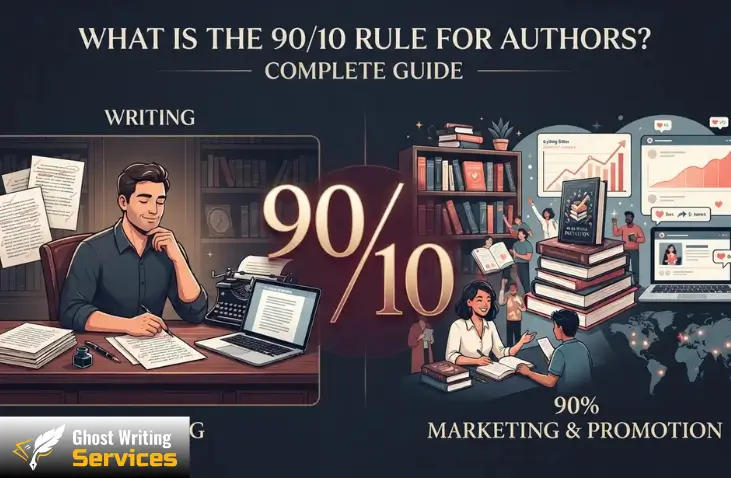
In memoirs especially, authenticity is the primary selling point. If authenticity drives marketing, then visible collaboration can reinforce that message rather than weaken it. The question “How do ghostwriters get credit?” often comes down to negotiation power. Established writers may secure visible attribution. Emerging writers may trade credit for higher fees. For authors balancing creative work, publishing decisions, and time, understanding the author productivity 90/10 rule can also help prioritise the activities that create the greatest impact.
Arguments Against – Why Ghostwriters Often Remain Invisible
On the other hand, publishing is a commercial industry. Branding clarity matters. A single recognizable name simplifies media coverage and consumer decisions. That reality explains why people frequently ask, “Why do famous authors get credit for ghostwritten novels?”
Because recognizable brands sell.
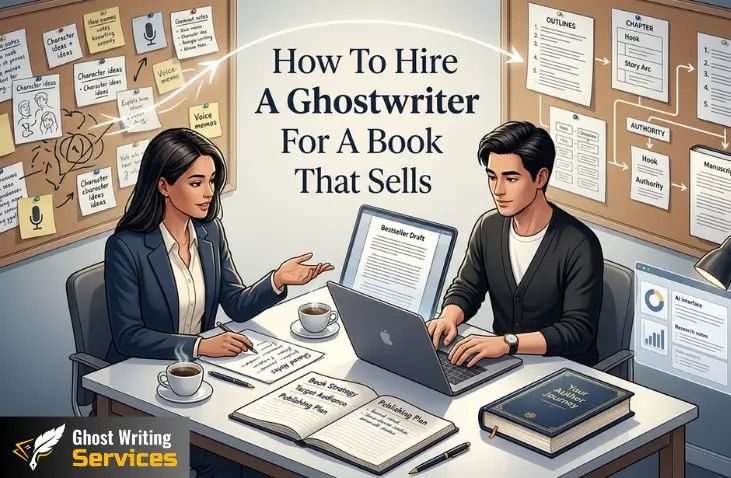
If you’re learning how to hire a ghostwriter, it’s also important to understand the legal and branding dynamics behind anonymity and credit in publishing. Legally, the work-for-hire doctrine supports this model. Under U.S. copyright law, ownership typically transfers to the hiring party. So when someone searches, “Does a ghostwriter get credit,” the legal answer is straightforward: only if the contract allows it. For some ghostwriters, anonymity paired with strong compensation is a deliberate choice. So when readers ask, “Do ghost writers get credit,” the answer is not always yes and not always desired.
Do Ghostwriters Get Credit? Understanding the Core Industry Reality
Before we tackle whether should ghostwriters receive credit, let’s get real about the baseline: do ghostwriters get credit in U.S. publishing? The truth is it’s not a simple yes or no. Sometimes they do, sometimes they don’t, and a lot of it comes down to contracts, branding, and timing.
The answer can also vary depending on the types of ghostwriting services involved. For example, book ghostwriters, speechwriters, blog ghostwriters, and executive content writers often work under different agreements, which can affect whether public credit is given. Understanding these distinctions helps explain why recognition practices differ across projects and industries.
Is Ghostwriting Without Credit Misleading?
This is where nuance matters. Legally, ghostwriting without public acknowledgment is permissible. Ethically, context determines perception. The continued growth of the industry has also led many people to ask, “Are ghostwriters in high demand?” The widespread use of ghostwriters across publishing, business, and media suggests that professional writing collaboration has become an accepted and valuable practice.
In political or leadership books, visible collaboration may enhance credibility. In entertainment-driven projects, branding simplicity may take priority. Search demand around “Does a ghostwriter get credit” reflects curiosity about transparency rather than outrage.
The line between misleading and acceptable depends on how the book is marketed. If a project heavily emphasizes personal authorship, yet the celebrity contributed minimally, perception may shift. That’s where the reputational risk emerges.
U.S. Publishing Industry Standards On Ghostwriter Credit
There is no universal attribution standard. Major U.S. publishers commonly use formats such as “By [Celebrity], with [Writer]”, acknowledgment page mentions, or complete anonymity.
The “with” format quietly addresses the question, should you credit your ghostwriter, without diluting brand authority. It preserves the celebrity’s primary position while recognizing collaboration.
Self-publishing authors have greater flexibility. Many independent creators opt for transparency because their brand identity benefits from authenticity. Agencies listed in a best ghostwriting companies list typically outline credit options clearly before contract signing. Professional ghostwriters rarely leave attribution entirely undefined. Clear agreements protect all parties.
Legal & Contractual Reality – Credit, Copyright, & Ownership In U.S.
Under work-for-hire agreements, the hiring party legally owns the manuscript. There is no automatic statutory right to public attribution. That’s why “How do ghostwriters get credit” is fundamentally a contractual question.
Confidentiality clauses and nondisclosure agreements frequently restrict disclosure. Many collaborations remain undisclosed for years due to these agreements. This legal framework explains why “do ghostwriters get credit” has no consistent answer. The outcome depends entirely on negotiated terms.
Celebrity Branding VS Writer Recognition – A Strategic Conflict
The real tension behind “should ghostwriters receive credit” is branding. Why do famous authors receive recognition for ghostwritten novels or even collaborative songwriting projects? Because publishing and entertainment are marketing-driven industries. A single, recognizable name simplifies positioning and drives sales. However, risk tolerance is shifting. Exposure through interviews, media leaks, or digital investigation can trigger backlash if collaboration appears intentionally concealed.
From a strategic perspective, the question “Should you credit your ghostwriter?” increasingly overlaps with reputation and risk management. Transparency can protect long-term brand equity. When credit enhances authenticity and trust, it becomes a strategic asset rather than a liability.
Perspectives From Each Stakeholder
From the ghostwriter’s perspective, visible credit builds authority and opens future opportunities. Yet anonymity may offer consistent income across diverse industries.
From the celebrity’s perspective, brand control dominates. The question “Should ghost writing be credited as author” becomes a strategic calculation about audience perception.
From the publisher’s perspective, sales projections and media positioning determine attribution decisions. If visible collaboration does not reduce commercial performance, many publishers are more open to it today than in previous decades.
From the reader’s perspective, transparency signals respect. The sustained search interest in “Do ghostwriters ever get credit for their work” suggests growing awareness and curiosity.
Should You Credit Your Ghostwriter – Giving A Ghostwriter Credit In 2026?
This is the operational layer most articles skip. When people search “How do ghostwriters get credit,” they are not looking for philosophy. They’re looking for mechanics. How does it actually happen?
Credit is secured in the contract. Period.
If a ghostwriter wants visible attribution, it must be negotiated before signing. That attribution can take several forms in U.S. publishing:
- “By [Celebrity], with [Writer]”
- Co-author designation
- Acknowledgment page credit
- Public marketing acknowledgment
- Case study permission after publication
This is where the decision around giving a ghostwriter credit becomes strategic rather than emotional.
Should you credit your ghostwriter? In 2026, that depends on positioning. In memoir and leadership publishing, transparency can increase trust signals. Readers researching authenticity often type “Do ghostwriters ever get credit for their work” because they want reassurance that the story wasn’t manufactured. On the other hand, commercial genre fiction or brand-driven celebrity books may prioritize singular identity for market clarity.
Why do Famous Authors Get Credit for Ghostwritten Novels
The short answer: brand equity converts. But here’s the forward-looking insight. Digital audiences investigate. Podcasts expose collaboration. Media interviews reveal the process. If collaboration is going to surface anyway, strategic acknowledgment can control the narrative instead of reacting to it. Do ghost writers get credit? Sometimes. Does a ghostwriter get credit automatically? No. It is negotiated leverage, not entitlement.
Senior publishing strategy in 2026 treats credit as a brand alignment decision, not an afterthought.
Best Practices For Handling Ghostwriter Credit In The U.S.
At senior level, attribution decisions should not be improvised. Celebrities should determine credit positioning before contracts are finalized. Ghostwriters should negotiate attribution terms clearly and early. Agencies providing story writing service solutions or memoir ghostwriting services should make credit policies explicit. Ambiguity leads to conflict. Clarity builds stability.
The decision about giving a ghostwriter credit should align with branding strategy, legal agreements, and long-term reputation management.
The Future Of Ghostwriter Credit In The U.S. Publishing Industry
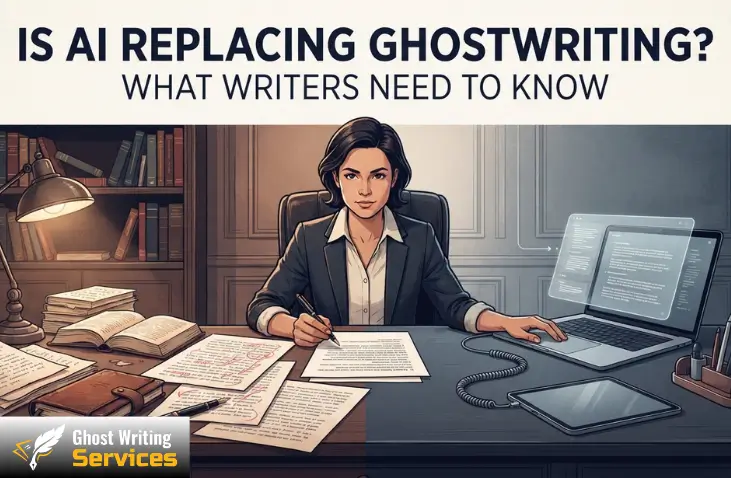
Publishing in 2026 operates within a culture of transparency. AI authorship debates, creator-economy collaboration, and digital accountability all influence expectations. These changes also raise a broader question: is AI replacing writers, or is it changing how writers contribute to the publishing process?
The invisibility model may not disappear entirely, but visible acknowledgment is becoming more common, particularly in nonfiction categories where credibility drives purchasing behavior. Which brings us back to the central question: Should ghostwriters receive credit? The trajectory suggests increasing openness, especially when human expertise and AI-assisted workflows work together to enhance trust and authenticity.
Final Thoughts – Should Ghostwriters Receive Credit In Celebrity Books?
There is no universal mandate. Legally, credit remains optional. Commercially, branding influences decisions. Ethically, transparency continues gaining relevance.
From a senior publishing and brand strategy perspective, credibility compounds. Brands that align messaging with reality build stronger long-term authority signals. In many modern publishing scenarios, the answer to should ghostwriters receive credit is yes, particularly when intellectual contribution is substantial and visibility aligns with brand strategy.
Publishing is evolving. Reader expectations are evolving. The most durable strategies anticipate that evolution rather than resist it. That’s where the real competitive advantage lies.